
The Office for Road and Rail has given approval for new train services to be run by the UK’s first co-op railway company. Go-op is a new co-operatively run train company, which has plans to run services around Somerset and Wiltshire by December 2026 as an ‘open access’ train operating company (TOC), to provide competition to the Great Western Railway (GWR) franchise.
Open access railway companies like ‘Cross Country Trains’ and ‘Lumo’, are private companies that operate on agreed routes without financial protection from the state. These are different to franchises which have a government-agreed contract to run services on specific routes, such as East Midlands Railway’s services between Sheffield and London.
Open access TOCs could be a practical ground-up initiative to go alongside the government’s gradual nationalisation plans. This would transfer management of the railways from private franchised companies to the Department of Transport’s Great British Railways agency once their contracts run out. While this would technically be a private enterprise in contrast to nationalised TOCs, Go-op is owned by its members, giving them significant governing power like in other co-operative societies.
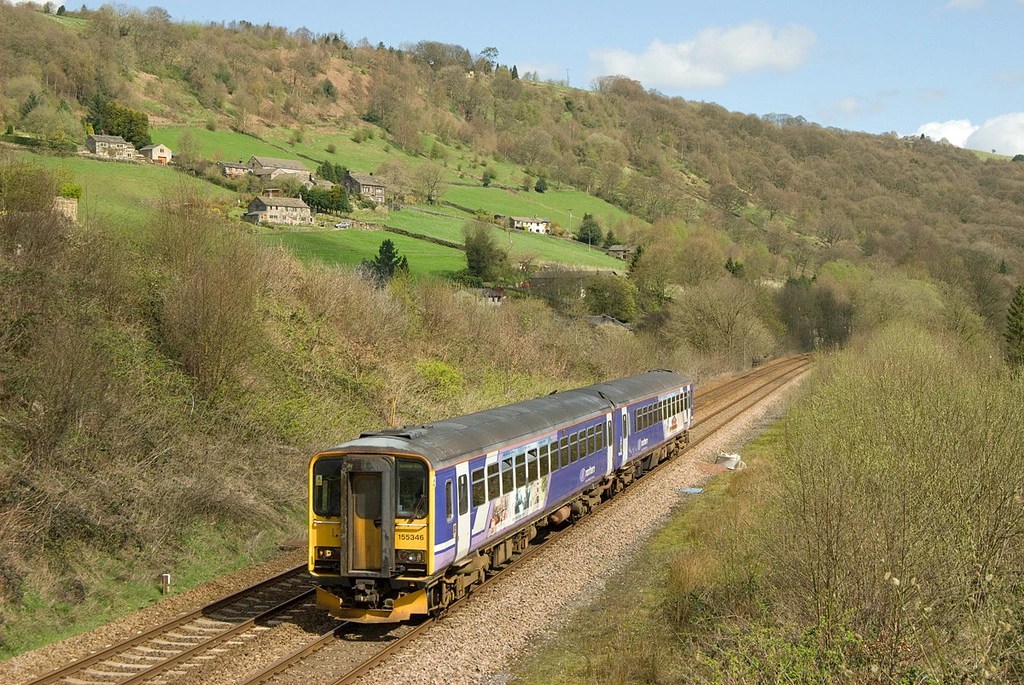
Go-op initially intends to run services between Taunton and Westbury; these, it claims have been neglected by GWR to the point of being ‘parliamentary’ or ‘ghost’ services, with limited regular trains stopping at smaller stations. If successful, the board plans to connect services from Weston-super-Mare to Swindon, with potential to add other connections in the West Country and to the Midlands. Go-op plans to purchase Class 153 Multiple Unit trains which have been decommissioned by other train companies and are currently sat in temporary sidings. As well as being ideal for local services, these trains will make it easier for Go-op to hire more drivers, because there are more rail workers already used to them. This is ideal for a new co-op TOC, as it means they are not required to purchase new, expensive trains.
While this would be the first co-op railway company in the UK, Europe has seen recent testing of this concept in the form of the ‘European Sleeper’. This co-op was set up in 2023 to provide a new night train service between Belgium and Czechia (via Berlin), giving friendly competition to Austrian state-run ‘Night-Jet’ trains. The regeneration of sleeper train services across the continent has been helped by European Sleeper with its older/aesthetic look that has gone a long way to putting the romanticism back into train travel. This is seeing a re-emergence with OBB’s (Austrian) Night-Jet services expanding their sleeper trains, in addition to developments in Italy, Sweden, France and Central Europe. This is partly because of environmental concerns, with companies like ‘Flix-Train’ and ‘Regio-Jet’ getting a foothold into the open access market, meanwhile in countries like France, air travel is being curtailed, positing train travel as the better option.
While not the best thing since sliced bread, it could be the best thing for Britain’s railways since 1948, and a key political step in developing the country’s transport, provided the services get up and running under the ORR’s requirements. This is a community-level project that could be beneficial to local areas that have limited connections due to franchised companies’ regional monopolies, and may provide a safety net during the transition to nationalised services under GBR.
It is tempting to support and invest in this initiative, and I would recommend that readers investigate this enterprise to see if this could benefit them.

 PolSoc Paper